Electric vehicles have become increasingly common on UK roads over the past decade. With more drivers making the switch from petrol and diesel cars to electric models, many questions naturally arise about how these vehicles are maintained and regulated. One of the most common questions motorists ask is whether electric cars still require an MOT test.
Although electric vehicles are often viewed as simpler machines because they have fewer moving parts in the engine system, they are still subject to many of the same road safety regulations as conventional vehicles. The MOT test remains an important part of ensuring that all vehicles on UK roads are safe to drive, regardless of how they are powered.
At Vantage Auto Services in Newcastle-under-Lyme, we regularly speak with drivers who are new to electric vehicles and want to understand how MOT testing applies to their cars. While electric vehicles do have some differences compared to petrol and diesel cars, the requirement for an MOT test still applies in most cases.
When an electric car needs its first MOT
In the United Kingdom, electric vehicles follow the same MOT rules as other passenger cars. This means that a brand-new electric car does not need an MOT test until it reaches three years of age from the date it was first registered.
After the vehicle turns three years old, it must pass an MOT test every year to remain legally roadworthy. The purpose of this test is to ensure that key safety components are functioning properly and that the vehicle meets environmental and road safety standards.
Although electric vehicles do not produce exhaust emissions in the same way as petrol or diesel vehicles, they still have many mechanical components that must be checked to ensure the car remains safe to drive.
Why electric vehicles still require MOT testing
Many people assume electric cars might not need an MOT because they do not have a traditional engine or exhaust system. However, the MOT test covers far more than just emissions and engine performance.
The primary purpose of the MOT test is to ensure that vehicles are safe for use on public roads. Electric vehicles still rely on tyres, brakes, steering systems, suspension components, lights, and other critical safety features.
All of these parts experience wear and tear over time, regardless of whether the car is powered by electricity or fuel. The MOT test ensures that these components continue to meet the legal safety standards required for driving in the UK.
Without regular testing, faults in these systems could go unnoticed and potentially create safety risks for drivers, passengers, and other road users.
Key areas checked during an electric vehicle MOT
Although electric cars differ from traditional vehicles in some areas, most of the components inspected during an MOT test remain the same. The condition of the tyres is always an important part of the test, as tyres must meet the legal tread depth requirements and be free from damage that could affect safety.
Brakes are another critical area examined during the MOT. Even though electric vehicles often use regenerative braking systems, the standard braking components must still operate correctly and safely.
The suspension system is also inspected to ensure it is capable of maintaining proper control and stability while driving. Worn suspension components can affect handling and increase the risk of accidents.
Lighting systems are carefully checked to ensure all lights are working correctly and positioned properly. This includes headlights, brake lights, indicators, and other essential lights that help drivers communicate with others on the road.
The steering system is inspected to confirm that it responds correctly and allows the driver to maintain control of the vehicle.
How electric vehicles differ during MOT testing
While most of the MOT process remains the same, there are a few areas where electric vehicles differ from traditional cars. The most obvious difference is the absence of an exhaust emissions test.
Petrol and diesel vehicles must undergo emissions testing to ensure they are not producing excessive pollutants. Electric vehicles do not produce exhaust gases, so this part of the test does not apply.
Instead, the focus remains on the structural and safety elements of the vehicle. Inspectors pay particular attention to components that affect road safety, including braking systems, tyres, steering mechanisms, and structural integrity.
Electric vehicles also contain high-voltage electrical systems that require specialist knowledge when being inspected or serviced. Qualified technicians must follow strict safety procedures when working with these systems.
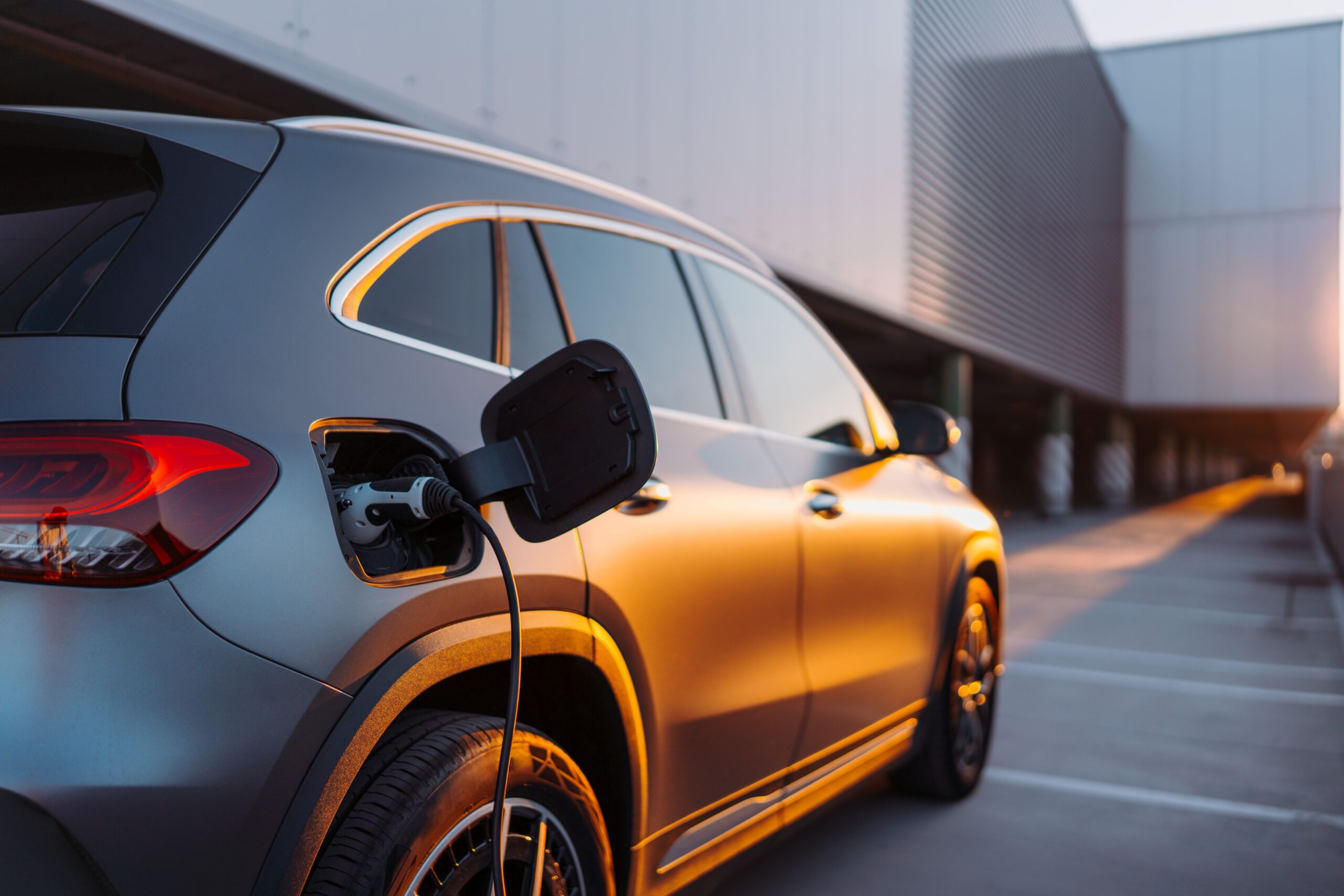
The importance of tyres for electric vehicles
Tyres play a particularly important role in the performance and safety of electric vehicles. Because electric motors deliver instant torque, tyres can experience different types of wear compared to traditional vehicles.
This means maintaining tyres properly is essential for both safety and efficiency. Tyres must have sufficient tread depth and be free from damage that could affect grip or stability.
During an MOT test, tyres are inspected carefully to ensure they meet legal requirements. If tyres are worn unevenly or have insufficient tread, they may result in an MOT failure.
Drivers of electric vehicles should check tyre pressure regularly and monitor tread wear to help ensure their vehicle remains roadworthy.
Brake systems in electric vehicles
Electric vehicles often use regenerative braking systems that help recharge the battery while slowing the car down. This technology can reduce the amount of wear experienced by traditional brake components.
However, this does not mean the braking system is exempt from inspection. Brake discs, pads, and hydraulic systems still need to function correctly to ensure safe stopping power.
During an MOT test, the braking system is thoroughly examined to confirm it provides adequate braking performance. Any faults or excessive wear in the braking system can lead to a failed test.
Ensuring the brakes remain in good condition is essential for maintaining safe driving performance.
Battery systems and MOT testing
The high-voltage battery system is one of the most important components of an electric vehicle. While the MOT test does not assess battery performance in the same way a full diagnostic service might, the battery mounting and visible electrical components are still inspected for safety.
Inspectors look for signs of damage, corrosion, or insecure mounting that could pose a safety risk. Any visible issues with the battery housing or electrical components may need to be addressed before the vehicle can pass its MOT.
Drivers should also ensure that any warning lights on the dashboard related to the vehicle’s electrical systems are investigated promptly, as these may indicate underlying issues that require attention.
Why regular maintenance is still important
Even though electric vehicles have fewer moving parts in the drivetrain compared to petrol and diesel vehicles, regular maintenance remains essential. Tyres, brakes, suspension, and steering components all experience wear during normal driving.
Regular servicing helps identify potential issues before they become more serious. Keeping these components in good condition also helps ensure the vehicle is more likely to pass its MOT test without problems.
Drivers who maintain their vehicles properly often find that MOT tests become a straightforward process rather than a source of stress.
How Vantage Auto Services supports electric vehicle owners
As electric vehicles become more common, it is important for drivers to have access to garages that understand how these vehicles work and how to maintain them safely. At Vantage Auto Services in Newcastle-under-Lyme, we provide MOT testing and vehicle inspections for a wide range of vehicles, including electric cars.
Our technicians understand the key safety checks required during an MOT and ensure that every vehicle we inspect meets the required standards before returning to the road. We aim to make the MOT process as straightforward as possible while ensuring that every vehicle remains safe and roadworthy.
For drivers who have recently switched to electric vehicles, understanding that MOT testing still applies is an important part of responsible vehicle ownership. Ensuring your vehicle passes its MOT each year helps keep you, your passengers, and other road users safe.
Maintaining your vehicle properly and having it checked regularly can make the MOT process simple and stress-free while helping your electric car continue to perform at its best.